
Energy-Saving Innovations in Extrusion Blow Molding Machines

Traditional extrusion blow molding machines consume substantial electricity. Rising energy costs and environmental requirements make energy efficiency essential for competitive manufacturing. This article examines energy-saving innovations, a Full Shine retrofit case, and future trends, showing how manufacturers can reduce energy use and carbon emissions while maintaining output and quality.
Energy Consumption Challenges in Traditional Extrusion Blow Molding Machines
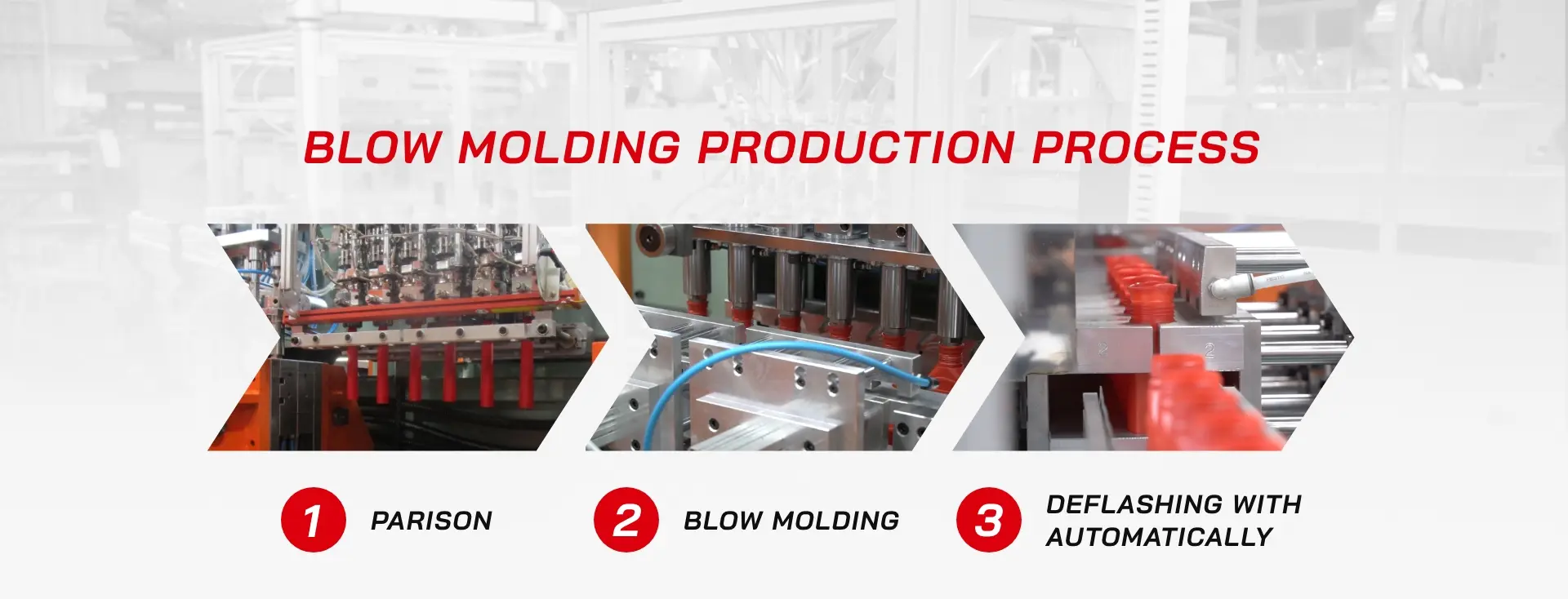
Extrusion blow molding (EBM) forms containers by inflating an extruded plastic tube, called a parison, inside a mold. Besides plasticizing and molding, hydraulic systems, cooling, and scrap reprocessing also consume electricity.
1. Additional Energy Consumption in Hydraulic Systems
Traditional hydraulic systems power mold movements, blow pins, and wall thickness control. Fixed-speed pumps continue running during pressure holding and standby. When demand is low, excess oil flowing through relief valves wastes energy as heat, increasing oil cooling requirements.
2. Heat and Energy Loss in the Extrusion System
Melting solid plastic pellets and extruding them into a tubular parison requires considerable energy. Traditional barrels commonly use stainless steel, cast aluminum, or ceramic band heaters. Without proper insulation, heat readily escapes into the surrounding environment. In addition, plasticizing screws are typically driven by fixed-frequency AC motors or motors with standard variable frequency drives (VFDs). When product specifications or production output change, it can be difficult to match speed and torque for optimal efficiency.
3. Secondary Energy Consumption from Remelting Scrap
Extrusion blow molding generates scrap such as handle cutouts and flash around the bottle neck and base. After being ground for reuse, this scrap must return to the extruder to be heated and melted again. Remelting this scrap increases electricity consumption per kilogram of finished product that meets quality standards.
4. Pneumatic Systems and Blow Air Pressure Losses
Although extrusion blow molding machines use much lower blowing pressures (about 6–10 bar) than PET stretch blow molding machines (about 30–40 bar), their blowing times are longer. Auxiliary operations, such as neck trimming, deflashing, and automatic gripping, also rely largely on pneumatic cylinders. Long air lines, leaks from aging fittings, or slow pneumatic valve responses that prolong blowing time can further increase the energy costs of compressed air.
Energy-Saving Technologies and Design Innovations in Modern Extrusion Blow Molding Machines
Modern extrusion blow molding machines address these challenges through improved drives, heating, and wall thickness control:
1. Servo-Hydraulic and All-Electric Drives
Servo-hydraulic systems use servo motors to drive hydraulic pumps, adjusting motor speed to match the pressure and flow required for each operation. During low-demand or standby periods, they reduce unnecessary oil flow, lowering overflow losses, oil temperature, and cooling requirements.
All-electric extrusion blow molding machines use electric drives in place of hydraulic drives, reducing energy losses associated with hydraulic power transmission. Models equipped with regenerative drives can also recover energy during braking. For example, Full Shine’s all-electric models can achieve electricity savings of 50%–70%, depending on production conditions. With a lower risk of hydraulic oil contamination, these machines are suitable for clean production lines, such as those used for pharmaceutical and food packaging.
2. Heating Insulation and Plasticization System Optimization
Wrapping the barrel in high-performance insulation reduces heat loss, shortens warm-up time, and lowers the surrounding temperature in the factory, easing the air conditioning load. Combined with a screw design featuring an optimized length-to-diameter ratio and a barrier mixing structure, this approach achieves the desired plasticizing quality at lower screw speeds.
3. Precise Die Head and Wall Thickness Control
Servo-driven wall thickness control uses a servo motor to adjust the die gap and control parison wall thickness during extrusion. This distributes material where it is needed, reducing excess material while maintaining container strength. Improved consistency can also reduce rejects and the energy needed to reprocess them.
Full Shine Success Story
Case Background
A well-known Taiwanese manufacturer of containers for personal care and cleaning products operates dozens of traditional hydraulic dual-station extrusion blow molding machines with capacities ranging from 5L to 10L, primarily producing HDPE containers such as shampoo bottles and laundry detergent jugs.
Challenges
The customer’s original machines used 37 kW fixed-speed motors and fixed-displacement pumps that ran at full speed during cooling, pressure holding, and standby. High-pressure oil overflow generated heat and kept electricity costs high. Persistently high hydraulic oil temperatures also required high-power chillers to run continuously, adding further energy waste. In addition, hydraulic shocks during directional switching caused excessive noise, while oil temperature fluctuations made wall thickness control less stable, affecting product weight tolerances and yield.
Retrofit Solution
Full Shine upgraded a 5L dual-station machine with a servo-hydraulic system that adjusts pump motor speed to operating demand, reducing unnecessary oil flow during cooling and standby.
Results
After the upgrade, the machine’s overall electricity consumption dropped significantly. Hydraulic oil temperatures no longer remained excessively high, reducing the load on the chiller. Operating noise was greatly reduced, while oil seal deterioration and oil leaks also decreased. More precise wall thickness control allowed the customer to further reduce raw material waste, delivering tangible improvements in production stability and cost efficiency.
Future Trends
1. Enhancing Recycled Material Processing Capability
The EU’s Packaging and Packaging Waste Regulation (PPWR) sets minimum recycled-content targets for plastic packaging. However, impurities and inconsistent melt flow rates in post-consumer recycled (PCR) materials can create processing challenges. Multilayer co-extrusion can allow PCR material to be placed in the middle layer, with virgin material used for the inner and outer layers. Improved screw designs and adaptive process controls may help maintain consistent processing as recycled material properties vary.
2. Smart Manufacturing and AIoT
Extrusion blow molding machines may increasingly incorporate AI vision combined with inline wall thickness monitoring. When thin spots are detected, the system can automatically fine-tune the servo wall thickness controller, which may reduce the need to stop the machine for manual adjustments. Sensors also can monitor screw torque, vibration, and motor current to provide early warnings of mechanical issues, which may support predictive maintenance and reduce unplanned downtime.
3. Electrification and Energy-Saving System Integration
All-electric and servo-hydraulic systems may see wider use as energy-saving options, configured to suit operating loads and production needs. Further improvements can include heating and insulation, cooling, and coordinated control of auxiliary equipment to reduce electricity consumption per acceptable finished product across the entire process.
4. Product Lightweighting
By combining precise wall thickness control with new materials, extrusion blow molded containers may become lighter and use less material while maintaining structural strength and durability. This may require equipment manufacturers to continue improving process precision.
FAQ
Q1: How should I choose between all-electric and servo-hydraulic extrusion blow molding machines?
All-electric models are well-suited for small containers and high-precision applications such as pharmaceutical and biotech cleanrooms—they're oil-free, quiet, and more energy-efficient, though the purchase cost is higher.
Servo-hydraulic models, on the other hand, are suitable for large containers or manufacturers with limited budgets, offering both high clamping force and strong cost-effectiveness, along with a solid level of energy savings.
Q2: Do the Many Servo Motors and Sensors in Modern Extrusion Blow Molding Machines Make Maintenance More Complicated?
No. All-electric machines eliminate hydraulic components from electrically driven movements, reducing hydraulic maintenance. Servo-hydraulic machines retain hydraulic components but can reduce oil heating. Built-in diagnostics can help identify faults and plan maintenance.
Conclusion
Whether purchasing new equipment or upgrading existing machines, adopting energy-saving technologies can reduce electricity costs and cooling loads while also meeting increasingly strict environmental and ESG requirements.
With over 30 years of experience, Full Shine is ISO 9001 certified and offers CE-compliant machines for food, beverage, cosmetics, household chemical, and automotive applications.
For manufacturers seeking both clamping force and energy efficiency, Full Shine’s automatic extrusion blow molding machines feature German linear guides and variable-frequency screw drives. These EBMs can produce containers with volumes ranging from 20 mL to 30 L.
For those looking to upgrade existing machines, Full Shine’s servo motor system uses a servo motor to drive the hydraulic pump, delivering standby electricity savings of 30%–60% as a cost-effective energy-saving solution.
Evaluating extrusion blow molding machines and energy-saving options? Contact us for advice on a suitable EBM solution.