
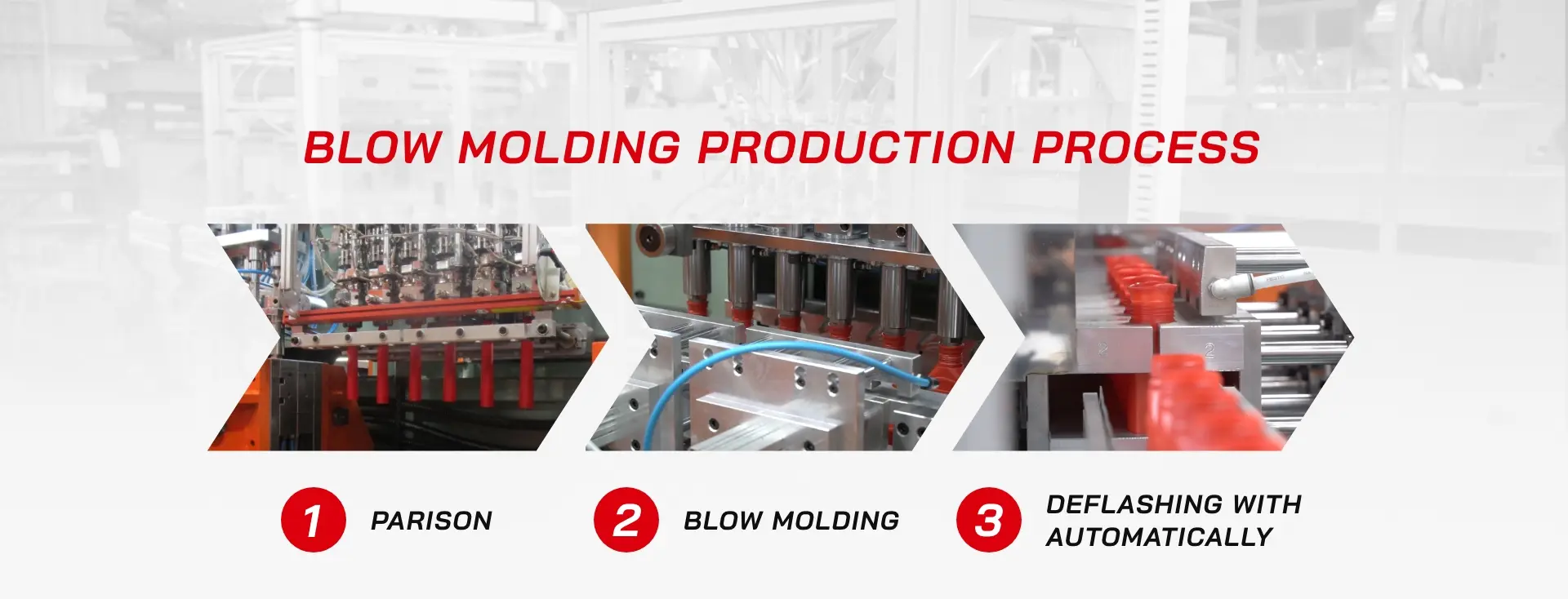
How Plastic Blow Molding Machines Process HDPE, PP, and PET
- Why Material Choice Affects Blow Molding
- HDPE (High-Density Polyethylene): Processing Characteristics and Methods
- PP (Polypropylene): Processing Characteristics and Methods
- PET (Polyethylene Terephthalate): Processing Characteristics and Methods
- Processing Differences Across HDPE, PP, and PET
- Choosing Equipment and Process for Production Needs
- Conclusion
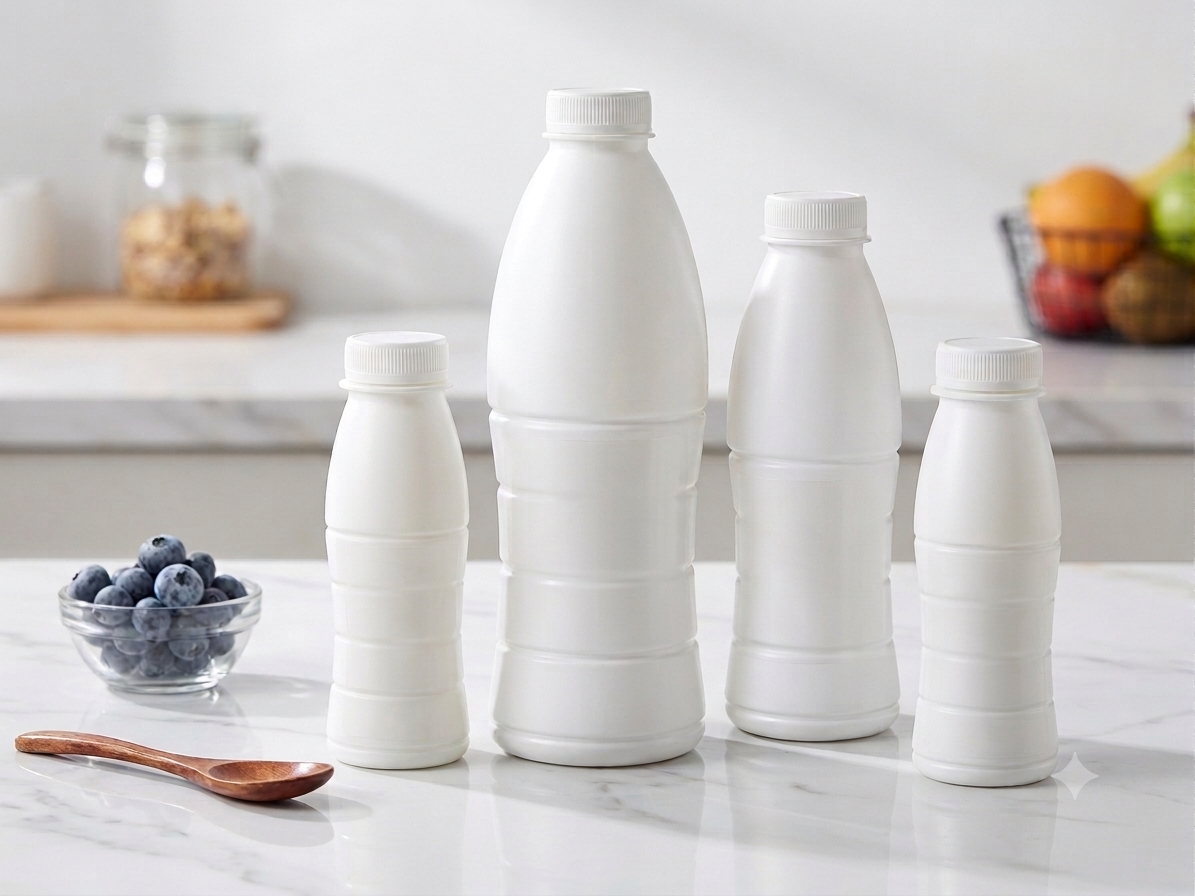
Plastic containers have replaced glass and metal across much of the packaging industry. Blow molding makes that possible, turning raw resin into lightweight bottles and jugs at low cost. HDPE (high-density polyethylene), PP (polypropylene), and PET (polyethylene terephthalate) are the three most common materials in this process. HDPE is commonly used for detergent and milk bottles, PP for heat-resistant food containers, and PET for clear water and soft drink bottles. Each behaves differently once it melts, so processing conditions and the best-suited blow molding method vary from one material to another.
This article explains how blow molding machines process each material and how to choose the right equipment.
Why Material Choice Affects Blow Molding

Plastic resins differ in how they melt, cool, and hold shape. These differences decide which blow molding process or machine a manufacturer can use. Melt strength, the ability of molten plastic to hold its shape, affects whether a resin can hang as a parison in extrusion blow molding. A resin with low melt strength sags easily, so manufacturers either choose a high-melt-strength grade or switch to a preform-based process. Heat resistance decides whether a container can handle hot filling or sterilization. Chemical resistance decides what it can safely hold. Resin price and cycle speed set the cost per container.
HDPE (High-Density Polyethylene): Processing Characteristics and Methods
HDPE is a semi-crystalline resin and the most widely used material in extrusion blow molding.
1. Material Properties
HDPE melts between 130°C and 137°C and typically processes at 160°C to 220°C in blow molding. Its melt is shear-thinning, so raising screw speed lowers viscosity more effectively than raising temperature. It absorbs less than 0.01 percent moisture and needs no pre-drying. HDPE shrinks 1.5 to 3.0 percent as it cools. Grade choice also affects environmental stress crack resistance (ESCR). A lower melt index generally means better resistance to cracking from detergents and oils.
2. Suitable Blow Molding Processes
Most HDPE plastic blow molding machines use extrusion blow molding, which works best with a low-melt-index grade under 1.0 g/10 min. This process forms motor oil jugs, detergent bottles, milk jugs, and 200-liter drums. Injection blow molding suits smaller, high-precision containers such as pharmaceutical and cosmetic bottles.
3. Key Processing Parameters and Challenges
High shrinkage can warp containers or throw off neck dimensions, so manufacturers keep mold temperature even and allow enough cooling time. Thick sections release heat as they crystallize, which calls for well-designed cooling channels. In extrusion blow molding, a sagging parison signals the need for a higher-melt-strength grade or a parison wall-thickness controller.
4. Common Applications
HDPE containers hold household chemicals such as laundry detergent and shampoo, along with food products such as milk and cooking oil. Industrial versions carry motor oil, brake fluid, and pesticides. Larger formats include 200-liter drums and IBC tote liners.
PP (Polypropylene): Processing Characteristics and Methods
PP is the lightest commodity plastic, and its processing depends on which of its three grades a manufacturer selects.
1. Material Properties
PP has a density of about 0.90 to 0.91 g/cm³, lighter than HDPE. Homopolymer PP is rigid and heat-resistant but brittle in the cold. Random copolymer is clearer but less heat-resistant. Impact copolymer resists cracking at low temperatures. PP melts at 160°C to 170°C and processes at 200°C to 280°C. It withstands sterilization above 100°C, but heat and UV light can degrade it, so most grades contain antioxidants and UV stabilizers.
2. Suitable Blow Molding Processes
Random copolymer PP suits injection stretch blow molding, which produces clear, sterilizable baby bottles, IV bottles, and beverage bottles. Extrusion blow molding handles sauce bottles, soy milk bottles, and hot-fill jars. A PP blow molding machine running this process needs a blow-grade PP with high melt strength, or the parison sags.
3. Key Processing Parameters and Challenges
PP has a narrower processing window than HDPE, so barrel and die temperatures need tight control. Uneven cooling or crystallization stress causes warping, which manufacturers correct with a lower mold temperature and longer cooling time. A nucleating or clarifying agent speeds crystallization, improving rigidity and clarity.
4. Common Applications
Blow-molded PP containers hold hot-filled sauces, juices, and soy milk, along with baby bottles and medical solutions that must survive sterilization. In cars, blow-molded PP forms air ducts and fluid reservoirs.
PET (Polyethylene Terephthalate): Processing Characteristics and Methods
PET differs from HDPE and PP in two ways. It absorbs moisture, and stretching strengthens it far more.
1. Material Properties
PET is a semi-crystalline polyester with glass-like clarity, transmitting over 90 percent of light. It provides a good barrier against oxygen and carbon dioxide. Its glass transition temperature is about 70°C to 80°C. Stretching above that point orients its molecular chains, raising strength and impact resistance. PET also absorbs water, and at melt temperatures that moisture breaks down its chains, leaving parts brittle or yellowed. Manufacturers dry it to below 50 ppm moisture, typically at 160°C to 180°C for 4 to 6 hours. It melts at 250°C to 260°C and processes at 270°C to 300°C.
2. Suitable Blow Molding Processes
Injection stretch blow molding is PET’s core process. On a two-stage PET blow molding machine, preforms are injection molded first, then reheated to about 90°C to 110°C. A stretch rod extends each preform while 30-to-40-bar air forms the bottle. One-stage machines skip reheating and blow the preform with its residual heat, producing scratch-free cosmetic and pharmaceutical bottles. Standard PET sags in extrusion blow molding, so handled bottles made that way use PETG or a high-melt-strength grade.
3. Key Processing Parameters and Challenges
Insufficient drying lowers the resin’s intrinsic viscosity and leaves bottles brittle, so manufacturers keep the dryer’s dew point at -40°C or below. A preform that cools too slowly turns hazy as it crystallizes, which a colder preform mold prevents. Uneven wall thickness usually traces back to uneven preform heating. Calibrating the heating lamps and pre-blow timing corrects it.
4. Common Applications
PET bottles hold water, carbonated drinks, and juice, along with cooking oil, condiments, and honey. Personal care brands also package lotion, shampoo, and cleaning solutions in PET for its clarity and light weight.
Processing Differences Across HDPE, PP, and PET
| Processing Characteristic / Parameter | HDPE (High-Density Polyethylene) | PP (Polypropylene) | PET (Polyethylene Terephthalate) |
|---|---|---|---|
| Main Blow Molding Process | Extrusion Blow Molding (EBM); Injection Blow Molding (IBM) for small, precise bottles | Extrusion Blow Molding (EBM) with blow-grade PP;Injection Stretch Blow Molding (ISBM) for clear bottles; EBM with blow-grade PP | Injection Stretch Blow Molding (ISBM), one-stage or two-stagePET Stretch Blow Molding |
| Pre-Processing Drying Requirement | Very low (moisture absorption <0.01%; typically no drying needed) | Very low (moisture absorption <0.01%; typically no drying needed) | Very high (moisture must be below 0.005% / 50 ppm; requires 4–6h of dehumidified drying) |
| Processing Temperature | 160–220°C | 200–280°C | 270–300°C |
| Mold Cooling Temperature | 15–40°C | 20–60°C | Preform: 10–20°C; Blow mold: 10–20°C(heat-resistant bottles up to 120–160°C) |
| Molding Shrinkage Rate | High (1.5%–3.0%; sensitive to crystallinity) | Moderate to high (1.0%–2.5%) | Low (about 0.2%–0.8%) |
| Melt Strength | High (resists sagging; well suited to extruding tubular parisons) | Moderate to low (EBM usually needs high-melt-strength HMS-PP grades) | Very low (standard-grade viscosity is low and sags easily, making conventional extrusion blow molding difficult) |
| Biaxial Stretch Behavior | No significant reinforcement from stretching | Moderate stretch reinforcement | Strong (high-temperature stretching orients molecular chains, sharply increasing strength and barrier properties) |
Choosing Equipment and Process for Production Needs
The right equipment depends on three factors: what the product needs to do, how many units the line produces, and how much capital is available.
PET suits products that need glass-like clarity or must hold carbonation. Microwave-safe or heat-sterilized products work best in PP. HDPE is commonly used for containers with an integral hollow handle or ones that must resist strong acids and alkalis.
Under 10,000 bottles a day, a semi-automatic PET blow molding machine running purchased preforms keeps costs low. For HDPE or PP, a single-station extrusion machine does the same. At 10,000 to 50,000 bottles a day, a fully automatic linear PET machine or a double-station extrusion machine raises output and cuts labor. Beyond that, high-speed rotary PET machines or blow-fill-cap combiblocks, which blow, fill, and cap bottles in one integrated system, support continuous production, while multi-head machines take over on the extrusion side.
Budget for auxiliary equipment too. PET needs a 30-to-40-bar compressor, a dehumidifying dryer, and a chiller. HDPE and PP run on 6 to 10 bar of air and benefit from a scrap grinder and a parison controller, which trims material use.
Conclusion
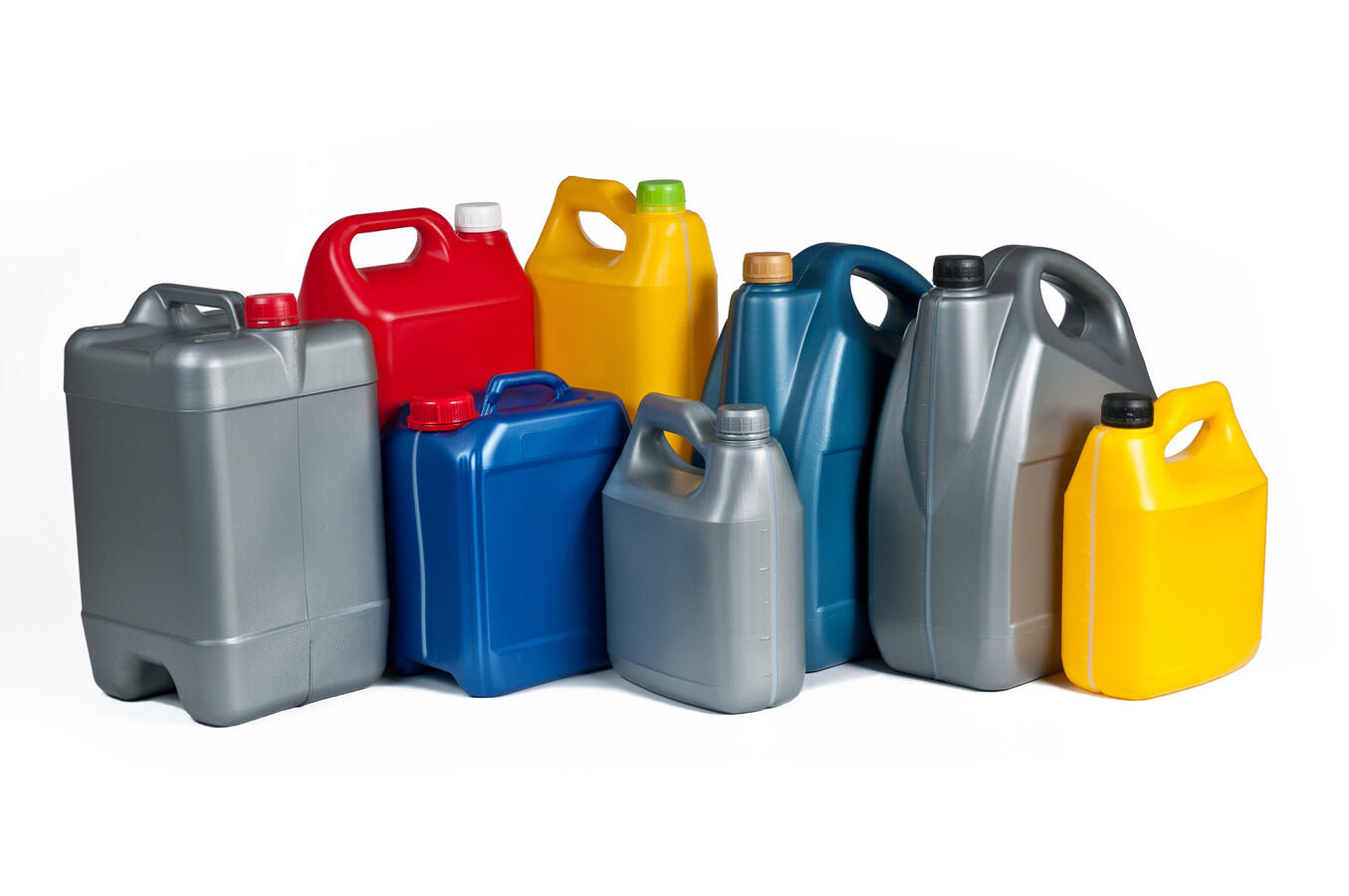
HDPE, PP, and PET behave differently under heat and pressure. HDPE’s high melt strength and chemical resistance suit extrusion blow molding for chemical containers. PP’s heat resistance suits hot-fill and sterilized containers. PET’s clarity makes it the standard for beverage bottles, though it must be dried thoroughly before injection stretch blow molding. Matching equipment and settings to each material improves both efficiency and bottle quality.
Full Shine manufactures blow molding machines for all three materials. The FS-4000AD is a 4-cavity automatic PET stretch blow molding machine that produces up to 4,000 bottles an hour. The P Series processes HDPE, PP, PETG, and other materials into containers from 20 milliliters to 30 liters. Contact us to discuss which plastic blow molding machine fits your production line.